

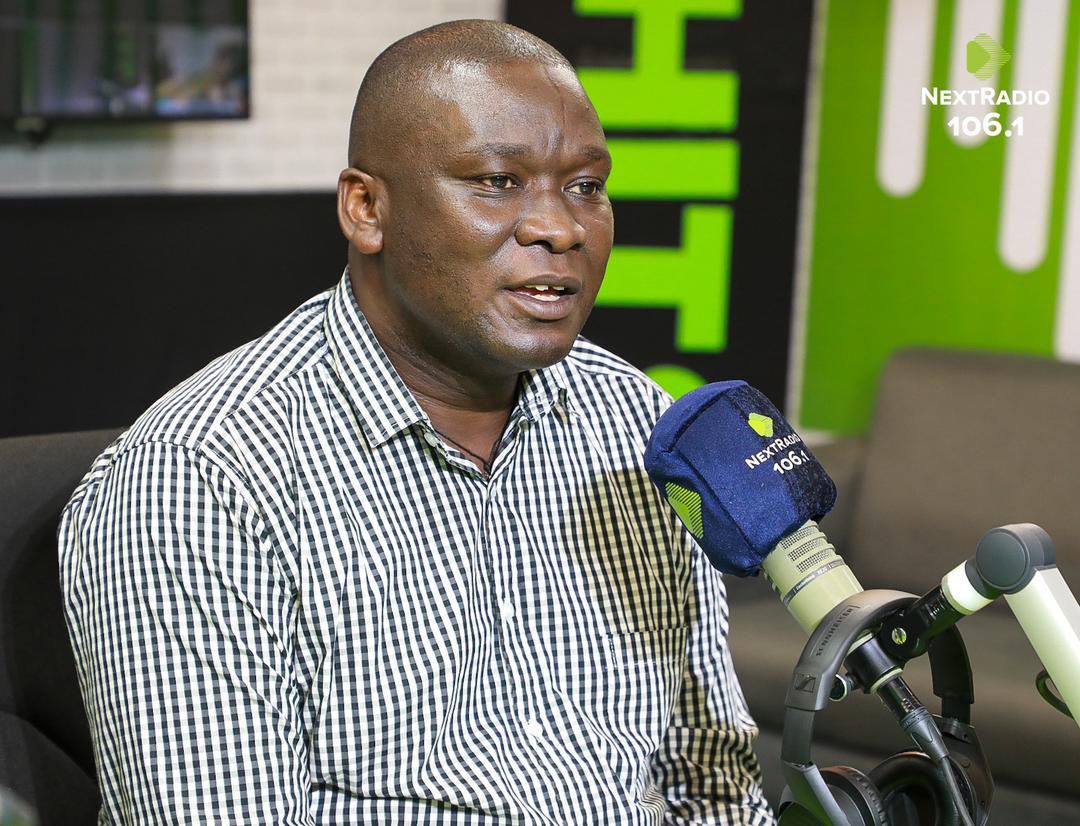
The Spokesperson of the National Resistance Movement (NRM) Parliamentary Caucus and Kagoma North Member of Parliament, Alex Brandon Kintu, has publicly defended the contentious Administration of Parliament (Amendment) Bill, 2024, also known as the Lumu Bill, ahead of its third and final reading scheduled for Thursday, March 12, 2026.
Speaking to Canary Mugume during Next Big Talk hosted by Next Radio on Tuesday, Kintu highlighted the intended reforms and sought to allay fears raised by opposition groups.
“The Administration of Parliament (Amendment) Bill is designed to simplify the role of the Leader of the Opposition, which currently carries extensive responsibilities. Hon. Richard Lumu is seeking through this bill to strengthen and build harmony within the opposition in Parliament,” he said.
Kintu cautioned against speculation and emphasized that if time is insufficient to process the bill now, it could be carried over to the 12th Parliament. He urged stakeholders to carefully examine the contents of the bill rather than speculate about its intentions.
“Some MPs didn’t fully understand the Administration of Parliament (Amendment) Bill. If we find that we are rushing into something that could have aftereffects that reflect badly, then it should be given more time & possibly subjected to benchmarking,” he said.
The private member’s bill, first introduced in Parliament by Mityana County South Member of Parliament Richard Lumu, has triggered intense debate and a wave of criticism from the very opposition groups it claims to reform.
While supporters argue that the legislation seeks to democratise internal leadership structures within the opposition, critics claim it is a carefully engineered intervention that could weaken the political influence of the National Unity Platform (NUP) in Parliament.
At the centre of the bill is a fundamental shift in how opposition leadership positions are determined.
Under the current system, the largest opposition party in Parliament appoints the Leader of the Opposition (LoP).
However, Lumu’s proposal would replace that arrangement with an elective model, in which all opposition Members of Parliament vote to elect the Leader of the Opposition.
Supporters argue that this system would promote inclusivity and ensure that smaller parties and independent MPs have a stronger voice in determining opposition leadership.
Opponents, however, fear the change could dilute the authority of the largest opposition party and fragment coordination within opposition ranks.
The bill has also drawn support from the ruling National Resistance Movement (NRM), a development that has further heightened suspicion among opposition leaders.
Despite these assurances, the bill has been strongly rejected by leaders from several opposition parties, including the Forum for Democratic Change (FDC) and the Alliance for National Transformation (ANT).
Several opposition legislators have described the bill as being drafted in bad faith, warning that it could weaken the opposition’s ability to coordinate strategy and effectively hold the government accountable.
Some lawmakers have also raised concerns about “preferential treatment” in how the bill is being handled.
Among them is Alion Yorke Odria, the Member of Parliament for Aringa North, who questioned why Lumu’s proposal appears to be moving swiftly through Parliament while other similar proposals submitted earlier have stalled.
As the March 12 deadline approaches, the debate surrounding the Administration of Parliament (Amendment) Bill, 2024 has evolved into a broader political question about how opposition leadership should be structured within Uganda’s parliamentary system.
While supporters believe the reforms could increase inclusivity and participation among opposition MPs, critics fear they could fracture opposition unity and weaken its ability to effectively challenge the government.
With Parliament preparing for a decisive vote, the outcome of the bill’s final reading is expected to carry significant implications for the future structure and cohesion of Uganda’s opposition politics.
